The emergence of artificial intelligence (AI) has touched nearly every facet of our lives, from healthcare to entertainment. Yet, few applications spark as much immediate and fervent debate as AI-generated pornography. The Societal Impact of AI Pornography isn't just a niche concern; it's a rapidly evolving challenge that tests our understanding of consent, authenticity, and the very fabric of digital ethics. As AI content becomes startlingly accessible, we find ourselves at a critical juncture, navigating a landscape where the lines between reality and simulation blur with unprecedented ease.
This isn't merely about technology; it's about people, norms, and the kind of society we choose to build. Understanding its implications is crucial for anyone engaging with digital media, shaping policy, or simply trying to make sense of the modern world.
At a Glance: Key Considerations for AI Pornography
- Consent is Paramount (and Problematic): AI allows for creating hyper-realistic content without the consent of the individuals depicted, raising profound ethical and legal questions.
- Blurred Reality: The technology makes it increasingly difficult to distinguish between real and AI-generated content, impacting trust and perception.
- Generational Divide: Younger audiences tend to be more receptive to AI-generated content, while older generations often express skepticism and a desire for authenticity.
- Psychological Effects: Concerns grow regarding how AI pornography might alter perceptions of intimacy, relationships, and sexual norms, as well as its impact on mental health.
- Economic Disruption: The livelihoods of professional adult entertainers could be significantly affected, posing questions about the future of human creativity in the industry.
- Urgent Need for Regulation: Experts emphasize the necessity of stringent guidelines and ethical frameworks to prevent normalization of harm and ensure responsible AI use.
The Digital Canvas: What Exactly is AI-Generated Pornography?
At its core, AI-generated pornography leverages advanced algorithms—often deep learning models like Generative Adversarial Networks (GANs)—to create synthetic images or videos of individuals engaging in sexual acts. These aren't just photoshopped images; they are often entirely new creations, or "deepfakes," meticulously crafted to appear authentic. The technology can range from swapping a person's face onto an existing video to generating a full, hyper-realistic scene from scratch based on text prompts or reference images.
The power of this technology lies in its ability to generate content that is indistinguishable from real media to the untrained eye. It allows for the depiction of anyone, in any scenario, without their knowledge or approval. This capability immediately thrusts us into complex discussions around personal autonomy and digital identity, opening a Pandora's Box of ethical dilemmas that society is just beginning to grapple with.
The Crushing Weight of Non-Consensual Creation
Perhaps the most visceral and immediate concern surrounding AI pornography revolves around consent. Traditionally, pornography involves willing participants who agree to be filmed or photographed. AI shatters this fundamental agreement. It enables the creation of explicit content featuring individuals who never consented, or even know, that their likeness is being used in such a manner. This non-consensual imagery often targets public figures, but increasingly, it affects private citizens, leading to emotional distress, reputational damage, and a profound sense of violation.
A study by Döring, Le, and Miller, analyzing Reddit discussions, highlighted this very concern among users. While some expressed excitement about technological capabilities, a significant undercurrent of skepticism revolved around consent and potential objectification. Imagine discovering that an explicit video of you exists online, meticulously crafted by AI, despite you never having posed for it. The psychological impact can be devastating, making the digital world feel like an increasingly unsafe space.
The Unraveling of Consent: Deepfakes and Impersonation
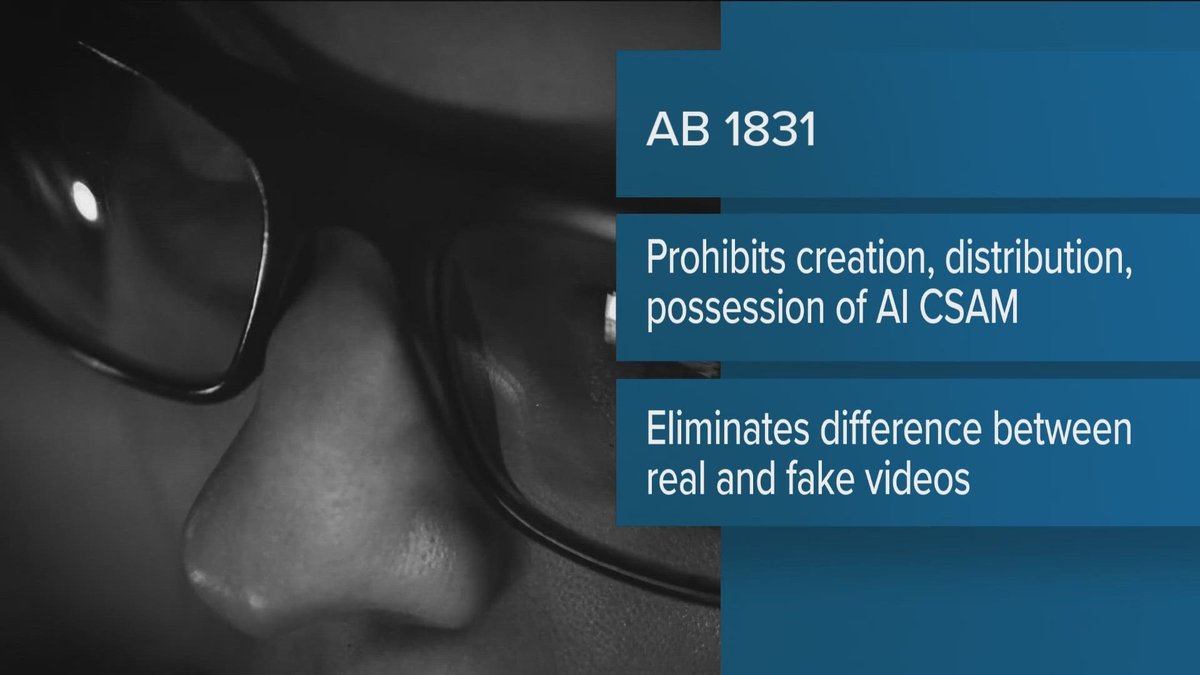
Deepfakes are a particularly insidious form of non-consensual AI pornography. They involve superimposing someone's face onto the body of another person in an existing video or image, making it appear as though the subject is performing actions they never did. This technology has progressed from crude swaps to highly sophisticated creations that can fool even discerning viewers.
The problem here isn't just about privacy; it's about personal agency. When your likeness can be hijacked and used to create sexually explicit content without your permission, it erodes your control over your own image and identity. This can be weaponized for harassment, blackmail, or revenge, with victims often feeling helpless to remove the fabricated content once it's disseminated. The legal frameworks for addressing these abuses are still evolving, leaving many victims in a legal gray zone while they try to understand navigating deepfake laws to find recourse.
Objectification Amplified: The Digital Playground
The internet has long been a platform where objectification can thrive, but AI pornography takes this to a new, unsettling level. By allowing users to create any scenario with any person, it reduces individuals to mere digital puppets, stripped of their humanity and agency. This isn't about artistic expression; it's about gratification derived from the simulated violation of others.
The Döring, Le, and Miller study noted user concerns about "potential objectification." When digital representations of people can be manipulated endlessly without consequence, it risks normalizing a mindset where individuals are viewed solely as objects for sexual consumption. This detachment from real human beings and their consent could have broader implications for how we perceive and treat others in real-world interactions.
Blurring Lines: Authenticity and the Perception of Reality
One of AI pornography's most disorienting impacts is its capacity to blur the lines between reality and artificiality. As AI-generated content becomes more sophisticated, distinguishing it from genuine media becomes increasingly difficult. This isn't just a problem for pornography; it's a fundamental challenge to our ability to trust what we see online.
The research indicates that users grapple with "skepticism regarding its authenticity." This skepticism can evolve into a pervasive distrust, not just of explicit content, but of all digital media. If you can't be sure if a photo or video is real, how do you verify news, identify misinformation, or even trust personal interactions online? This erosion of trust has profound societal consequences, making it harder to establish shared facts and fostering an environment ripe for manipulation.
Consider the potential for malicious actors to create and spread AI-generated content designed to discredit or blackmail individuals, impacting elections, careers, and personal lives. The digital world relies on a baseline level of trust, and AI pornography, by its very nature, actively undermines it.
The Generational Divide: A Shifting Digital Ethic
The way society perceives and reacts to AI pornography isn't uniform; a notable generational divide exists. The Döring, Le, and Miller study observed that "younger audiences appeared more receptive, while older users expressed critical views, desiring authenticity and traditional content." This split offers a fascinating glimpse into evolving digital ethics.
Younger generations, often digital natives, have grown up in a world saturated with manipulated media, filters, and digital personas. They might be more accustomed to the idea of "virtual" experiences and less tethered to traditional notions of authenticity in digital content. For them, AI-generated content might be seen as another form of digital art or entertainment, an extension of technology's creative potential. They may be more curious about the underlying technology and the possibilities it unlocks, leading some to explore a Guide to AI porn sites with open minds.
Older generations, on the other hand, often place a higher value on tangible authenticity and traditional forms of content. They might view AI pornography with greater apprehension, seeing it as a corruption of reality or a dangerous ethical slippery slope. This isn't just about technological literacy; it's about deeply ingrained values regarding truth, consent, and human interaction. Bridging this divide requires ongoing dialogue and education, helping both groups understand the perspectives and concerns of the other.
The Economic Ripple: Impact on Adult Entertainment Professionals
Beyond the ethical quagmires and perceptual shifts, AI pornography poses a significant economic threat to the adult entertainment industry. Professional adult entertainers rely on their work for their livelihoods, investing time, effort, and often their personal identities into their careers. AI-generated content can create an endless supply of "models" and scenarios without the need for human talent, potentially devaluing human-made content and undercutting the earnings of real people.
The research explicitly highlights "the potential for AI to disrupt the livelihoods of professional adult entertainers." If consumers increasingly turn to AI-generated content, demand for human performers could decline, leading to job losses and economic instability for those in the industry. This raises important questions about intellectual property, fair compensation, and the value we place on human creativity in a technologically advanced world.
However, the study also wisely "stresses the importance of technology complementing human creatives." This suggests a path forward where AI could be a tool to enhance, rather than replace, human artistry in adult entertainment. This might involve AI assisting with scene generation, special effects, or content personalization, while human performers remain at the core of authentic expression. The conversation around the future of adult entertainment in the age of AI is complex, requiring innovative solutions that protect workers while embracing technological progress.
The Psychological Toll: Redefining Intimacy and Relationships
The long-term psychological impacts of widespread AI pornography are perhaps the most difficult to predict, yet they are among the most critical. When individuals can generate idealized, perfectly tailored sexual content on demand, how does that affect their perceptions of intimacy, real-world relationships, and sexual norms?
The Döring, Le, and Miller study calls for "further investigations into the psychological impacts on consumers, regarding perceptions of intimacy, relationships, and sexual norms." Some concerns include:
- Unrealistic Expectations: Consuming highly curated, perfectly optimized AI pornography could lead individuals to develop unrealistic expectations for real-life partners and sexual encounters, fostering dissatisfaction.
- Reduced Empathy: Engaging with non-consensual AI content, even if it's "just pixels," might desensitize individuals to the importance of real-world consent and empathy in sexual interactions.
- Escapism and Isolation: For some, AI pornography could become a primary source of sexual gratification, leading to increased isolation, reduced desire for real intimacy, or a struggle to form meaningful connections.
- Body Image Issues: The ability to generate "perfect" bodies on demand could exacerbate body image issues for both creators and consumers, setting unattainable beauty standards.
Understanding the psychological impacts of AI-generated content is paramount. It requires interdisciplinary research involving psychologists, sociologists, and ethicists to truly grasp how this technology is reshaping human connection and sexual well-being.
The Regulatory Wild West: A Call for Ethical Frameworks
The rapid advancement of AI technology has far outpaced our legal and ethical frameworks. We are currently operating in a regulatory "wild west," where laws struggle to keep up with technological capabilities. The consensus among experts, echoed by the Döring, Le, and Miller study, is a dire "need for stringent guidelines and ethical frameworks to address the potential normalization of AI-generated pornography."
Without clear rules, the potential for harm is immense. Victims of non-consensual deepfake pornography face an uphill battle seeking justice, and platforms often struggle with how to moderate content effectively without overstepping.
Current Challenges in Navigating Deepfake Laws
Many jurisdictions are just beginning to enact laws specifically targeting deepfakes, but these laws vary widely in scope, enforcement, and effectiveness. Some focus on malicious intent, others on financial gain, and some still struggle to define "harm" in the digital realm. The global nature of the internet further complicates matters; content generated in one country can be distributed worldwide, crossing legal boundaries with ease. This patchwork of regulations makes navigating deepfake laws a complex endeavor for individuals, platforms, and legal professionals alike.
The Call for Responsible Creation
Beyond government regulation, there's a significant ethical responsibility on the shoulders of content creators and technology platforms. The study emphasizes that "Content creators and platforms have a responsibility to discuss consent, authenticity, and psychological effects." This means:
- Implementing robust content moderation: Platforms need sophisticated AI detection tools and human reviewers to identify and remove non-consensual AI-generated pornography.
- Transparency and Watermarking: Developers could implement technical solutions, such as digital watermarks or metadata, to clearly label AI-generated content, making its artificial nature explicit.
- User reporting mechanisms: Clear and accessible ways for users to report non-consensual content are essential.
- Ethical design principles: Developers of AI tools must consider the potential for misuse and build in safeguards from the outset, actively pursuing developing AI ethically. This includes refusing to train models on datasets that could be used to generate harmful content or implementing "red-teaming" exercises to identify potential abuses before deployment.
Fostering a Responsible Future: Actionable Steps
Addressing the societal impact of AI pornography isn't a task for any single entity; it requires a multi-faceted approach involving technology developers, policymakers, platforms, educators, and individual users.
For Technology Developers and Researchers:
- Prioritize Ethical AI Development: From the initial design phase, consider the potential for misuse. This isn't an afterthought; it's a core design principle. Investing in techniques that prevent the creation of non-consensual content, like robust filtering of training data, is crucial for developing AI ethically.
- Develop Detection Tools: Continue to research and build more effective tools for detecting AI-generated content, particularly deepfakes. This can help platforms and individuals identify and flag problematic media.
- Promote Transparency: Explore ways to embed provenance information or digital watermarks into AI-generated content, making it unequivocally clear that it is synthetic.
For Platforms and Content Hosts:
- Implement Proactive Moderation: Don't wait for reports. Use AI-powered detection and human review teams to actively scan for and remove non-consensual AI pornography.
- Robust Reporting Mechanisms: Ensure users can easily and effectively report harmful content, and respond to these reports swiftly and transparently.
- Collaborate on Best Practices: Work with industry peers, civil society organizations, and law enforcement to develop shared standards and protocols for addressing AI-generated harm.
For Policymakers and Legislators:
- Update Laws: Develop comprehensive legislation that specifically addresses non-consensual AI pornography, providing clear definitions, strong penalties for perpetrators, and effective remedies for victims.
- International Cooperation: Since AI content crosses borders seamlessly, foster international cooperation to create harmonized legal frameworks that can effectively combat its global spread.
- Fund Research: Support interdisciplinary research into the societal, psychological, and economic impacts of AI pornography to inform evidence-based policy.
For Educators and Individuals:
- Digital Literacy: Educate yourself and others about how AI-generated content works, how to spot it, and the ethical implications. Understanding the psychological impacts of AI-generated content is part of this.
- Critical Consumption: Approach all digital media with a healthy dose of skepticism. Question the authenticity of images and videos, especially if they seem too sensational or unusual.
- Advocate for Change: Support organizations working to combat AI-generated harm and advocate for stronger ethical guidelines and legal protections.
- Protect Your Digital Footprint: Be mindful of the images and videos you share online, as they can potentially be used as training data for AI models.
The Path Forward: Dialogue, Awareness, and Responsibility
The discussion around the societal impact of AI pornography is far from over; in many ways, it's just beginning. The Döring, Le, and Miller study concludes that "continuous discourse, ethical considerations, and fostering awareness are essential to ensure a responsible and inclusive approach to digital content creation, allowing society to harness AI's benefits while addressing its complexities."
This isn't about shunning technology; it's about harnessing it responsibly. AI offers incredible potential for creativity and progress, but like any powerful tool, it requires careful stewardship. By prioritizing consent, demanding authenticity, understanding psychological impacts, and advocating for robust ethical frameworks, we can collectively steer the trajectory of AI pornography towards one that minimizes harm and upholds human dignity. The future of our digital society depends on it.