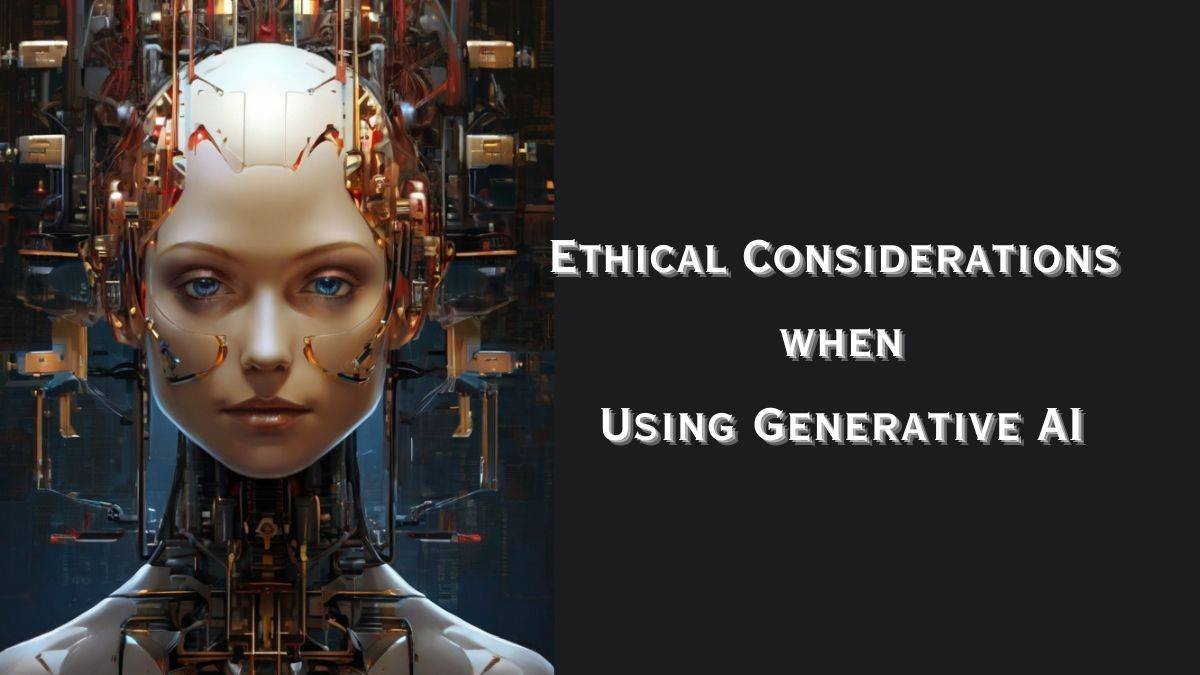
The intersection of artificial intelligence and human sexuality has always been a fascinating, often controversial, frontier. Today, creators venturing into the production of AI erotica face a rapidly shifting and complex terrain where the Legal & Ethical Landscape of AI Erotica is still largely unmapped. This isn't just about pushing boundaries; it's about navigating uncharted legal waters, grappling with profound ethical dilemmas, and understanding the real-world implications of digital creation.
Imagine generating intricate visuals or compelling narratives that delve into sexual themes, all with the click of a button. AI-generated erotic art and stories, powered by sophisticated algorithms and machine learning, make this a reality, offering instant creation capabilities. But with this power comes a significant responsibility—and significant risk.
At a Glance: Key Takeaways for Creators
- Consent is paramount: Avoid unauthorized likenesses and ensure diverse, inclusive representation.
- Human oversight is crucial: Meticulously curate AI training data to prevent harmful stereotypes.
- Copyright is ambiguous: The legal definition of authorship for AI content is still evolving.
- Platform rules vary widely: Be aware of strict guidelines that can block distribution.
- Psychological impact matters: Thoughtfully construct content to foster healthy views on intimacy.
- Collaboration is key: Engage with artists, developers, legal experts, and consumers to shape frameworks.
The Rise of AI Erotica: A Double-Edged Sword for Creativity
AI-generated erotic content represents a profound technological leap, offering unparalleled tools for exploring human sexuality through art and storytelling. From generating hyper-realistic imagery to crafting nuanced narratives, these sophisticated algorithms provide creators with instant access to production capabilities that once required extensive human effort. This innovation opens doors for artistic expression, allowing individuals to explore diverse fantasies and forms of intimacy.
However, this newfound creative freedom comes with an equally complex set of challenges. The very algorithms that empower creation are trained on vast datasets, often scraped from the internet, raising serious questions about the origins of the data and the biases they might perpetuate. Understanding this foundational tension—between immense creative potential and inherent ethical and legal pitfalls—is the first step for any creator looking to engage responsibly with AI erotica. It’s not just about what you can create, but what you should create, and how to do so in a way that respects individuals and promotes a healthy discourse around sexuality. For a broader perspective on the technology, you might want to consult a Guide to AI porn.
Navigating the Ethical Minefield of AI Erotica
The ethical considerations surrounding AI erotica are arguably more pressing than the legal ones, as they touch upon fundamental human rights and societal values. Creators must contend with a moral compass that points toward fairness, respect, and responsibility in a realm where technology can easily distort or exploit.
Consent and Authentic Representation: The Non-Negotiables
At the core of ethical AI erotica lies the issue of consent. Who has the right to be modeled or depicted in AI-generated content? The technology carries a substantial risk of producing unauthorized likenesses, where individuals' images or personas are used without their explicit permission. This not only violates personal privacy but can also lead to significant emotional distress and reputational harm. Imagine your face, or the face of someone you know, appearing in AI-generated explicit content without consent. The implications are chilling.
Beyond individual consent, there's the broader issue of representation. AI models, trained on existing data, can inadvertently—or deliberately—perpetuate harmful stereotypes, reinforce objectification, and narrow the scope of what is considered desirable or normal. This means AI erotica could easily fall into the trap of overrepresenting specific body types, identities, sexual orientations, or experiences while marginalizing others. Creators bear a critical responsibility to prioritize diverse and inclusive representation in their content. This isn't just about checking a box; it's about actively working to avoid legitimizing unhealthy relationship patterns and ensuring that AI erotica contributes to a more expansive, respectful understanding of human intimacy.
Protecting Human Creativity: The Artist's Dilemma
The rapid rise of AI-generated art across all genres, including erotica, has ignited a fierce debate about its impact on human artists. Many traditional creators fear that sophisticated algorithms will ultimately replace their livelihoods, leading to economic hardship for those who have dedicated their lives to mastering their craft. This isn't an abstract fear; it's a very real concern about job displacement in creative industries.
This tension also sparks deeper philosophical questions about the inherent value of human creativity. If a machine can generate visuals or narratives that are indistinguishable from human-made art, what does that say about the unique spark of human ingenuity? Creators in the AI erotica space are therefore challenged to consider how their work either supports or undermines the broader artistic community, and how they can contribute to a future where both human and machine contributions are valued—without one systematically devaluing the other.
The Heavy Burden of Content Responsibility and Human Oversight
With the power to generate content comes a profound moral responsibility, particularly for artists and developers working with AI erotica. The very foundation of any AI model is the dataset it’s trained on. If this data is biased, incomplete, or contains harmful content, the AI will inevitably replicate and even amplify those flaws in its output.
Creators must meticulously curate these datasets, actively seeking out diverse perspectives and representations while vigilantly filtering out anything that could perpetuate harmful stereotypes, narrow representations, or generate content promoting violence, non-consensual acts, or other unethical themes. Human oversight isn't a suggestion; it's paramount. It serves as the essential safeguard to ensure that ethical standards are met at every stage of the creative process, from data selection to final output. Without this critical human intervention, AI erotica risks becoming a vehicle for propagating harmful ideas rather than exploring intimacy in a responsible way.
Shaping Perceptions: Psychological Impacts on Readers
The content we consume has a powerful influence on our attitudes, beliefs, and expectations, and AI-generated erotica is no exception. This genre has the potential to significantly shape readers' views on intimacy, relationships, and sexuality. When narratives become distorted or excessively unrealistic, there’s a real risk of steering readers toward unhealthy expectations. Imagine a constant stream of perfectly curated, perpetually available digital partners; this could subtly undermine the complexities and compromises inherent in real-world relationships.
To mitigate these potential negative psychological repercussions, creators must commit to thoughtful construction of their AI-generated erotica. This means prioritizing narratives that foster healthy views on intimacy, emphasizing mutual respect, clear boundaries, and realistic relationship dynamics. The goal should be to enrich understanding and exploration, not to create a false reality that leaves readers feeling dissatisfied or disillusioned with authentic human connection.
Untangling the Legal Web of AI Erotica
While ethical concerns often dominate discussions, the legal landscape for AI erotica is equally complex and, in many areas, still undefined. Creators operating in this space must be acutely aware of the evolving legal frameworks that could impact their ability to create, distribute, and monetize their work.
Who Owns AI Creations? The Copyright Conundrum
Perhaps the most significant legal challenge in the realm of AI-generated content is the question of copyright and authorship. Traditional copyright law is predicated on the idea of a human creator, an individual who conceives and executes an original work. But what happens when an AI algorithm, trained on countless existing works, generates something novel? Is the AI itself the author? Is the person who prompted the AI the author? Or is it the developer who created the algorithm?
The definition of authorship for AI-generated content is very much evolving, creating substantial ambiguity around ownership rights. Current copyright laws are often not fully equipped to address these unique circumstances, leading to a patchwork of interpretations and, inevitably, potential litigation. For creators, this means operating in a grey area where the legal protection of their work—and the risk of infringing on others'—is uncertain. Clarity from courts and legislative bodies is desperately needed to provide a stable framework for innovation.
Platform Policies: Gatekeepers of Digital Content
Even if a creator navigates the ethical and copyright complexities, they still face the practical hurdle of distribution. Most online platforms, from social media giants to hosting providers, enforce strict guidelines regarding explicit content. These rules are designed to protect minors, prevent the spread of harmful material, and maintain a certain level of decorum.
For artists distributing AI-generated erotic content, these guidelines can create significant barriers. What one platform deems acceptable, another might ban outright. This highlights a fundamental tension between creative freedom—the desire to explore and express without arbitrary censorship—and societal expectations for acceptable content. Creators must understand that even legally permissible content might be deemed unsuitable by platform gatekeepers, limiting reach and revenue. This necessitates a proactive approach to understanding platform terms of service and potentially seeking out specialized platforms more amenable to adult-oriented AI art.
A Legal Landscape in Flux: Courts Are Catching Up
The legal system, by its very nature, tends to move slower than technological innovation. However, courts are beginning to acknowledge the unique legal implications of AI-generated content. We're seeing early rulings and legislative proposals that aim to provide some clarity, but a comprehensive, universally accepted framework is still years away.
This evolving legal landscape means that parameters governing AI erotica are subject to change. What is legally permissible today might be challenged tomorrow. Creators need to stay informed about new rulings, precedents, and legislative efforts. This dynamic environment requires vigilance and adaptability, as new insights continue to shape how AI-generated content, especially that of an explicit nature, will be governed.
Beyond the Hype: Practical Steps for Responsible Creation
Given the intricate ethical dilemmas and the evolving legal landscape, creators in the AI erotica space need more than just awareness—they need actionable strategies. Responsible creation demands intentionality at every stage, from concept to distribution.
Building Bridges: The Power of Collaboration and Dialogue
No single individual or entity holds all the answers regarding the responsible use of AI in erotica. That's why fostering ongoing dialogue is not just helpful, but essential. Imagine a roundtable where artists, who understand the nuances of expression; developers, who grasp the technical capabilities and limitations of AI; legal experts, who can interpret and shape regulations; and consumers, whose experiences and desires ultimately inform the demand, all come together.
This collaborative approach allows for the establishment of common ethical and legal frameworks that are robust, inclusive, and forward-thinking. By sharing perspectives and concerns, stakeholders can collectively identify best practices, anticipate future challenges, and build a more responsible ecosystem for AI erotica. Don't operate in a vacuum; reach out, listen, and contribute to the broader conversation.
Curate with Conscience: Mastering Data Selection
The output of an AI model is only as good—or as ethical—as the data it learns from. For creators of AI erotica, this means responsible data curation is paramount. It's not enough to simply feed an AI model a vast collection of images or texts; you must meticulously select and prepare the datasets.
This involves actively seeking out and incorporating diverse perspectives, ensuring that your training data represents a wide spectrum of bodies, identities, sexual orientations, and experiences. Just as crucially, it means vigilantly filtering out harmful content, stereotypes, or anything that could promote non-consensual acts or unhealthy relationship dynamics. Integrate robust human oversight throughout this process to review, refine, and validate the data. By prioritizing ethical data curation, you ensure that your AI model is less likely to perpetuate biases and more likely to generate content that promotes inclusivity and adheres to high ethical standards.
Storytelling with Integrity: Prioritizing Ethical Narratives
The psychological impact of AI erotica cannot be overstated. As creators, you have the power to shape perceptions of intimacy. Therefore, prioritizing ethical storytelling within AI-generated narratives is a moral imperative. This means consciously choosing to emphasize consent, clearly defined boundaries, mutual respect, and healthy relationship dynamics in the content you produce.
Actively work to counter distorted representations of sex and relationships that might be prevalent in other forms of media or that AI models might inadvertently generate. By doing so, you can mitigate potential negative psychological impacts on readers, fostering a more balanced and respectful understanding of human sexuality. Think of yourself as an educator as much as an artist, creating content that is not only stimulating but also responsible and enriching.
The Delicate Dance: Balancing Freedom and Accountability
The tension between artistic freedom and social responsibility is a perennial one, but it takes on new dimensions with AI erotica. While creators rightly value their ability to explore challenging themes and push boundaries, a deep sense of accountability is required to ensure that this freedom doesn't come at the expense of others' well-being or societal values.
This means nurturing a responsible, inclusive, and vibrant genre that appreciates both human and machine contributions. It's about finding the sweet spot where innovation flourishes without harm, where diverse expressions are celebrated, and where ethical considerations guide every creative decision. It's an ongoing process of self-reflection and community engagement, always striving to balance the desire to create with the imperative to do so ethically and responsibly.
Addressing Common Misconceptions About AI Erotica
Let's clear up some common misunderstandings that often cloud the discussion around AI erotica. These quick answers aim to provide clarity and help creators navigate the landscape more confidently.
"Is all AI erotica inherently unethical?"
No, not inherently. The ethical nature of AI erotica largely depends on how it's created, the data it's trained on, and the intent behind its use. If creators prioritize consent, diverse representation, responsible data curation, and human oversight, AI erotica can be developed ethically. The technology itself is a tool; its ethical implications arise from human choices.
"Can AI truly be an 'author' for copyright purposes?"
Under current copyright laws in many jurisdictions (including the U.S.), authorship typically requires human creativity. Therefore, an AI itself cannot be the "author." The legal debate centers on who among the humans involved (the programmer, the user providing prompts, the data curator) holds authorship rights, or if such content should even be copyrightable at all without substantial human creative input. The legal landscape is still evolving on this point.
"How do platform rules for explicit AI content differ?"
Platform rules vary significantly, often reflecting differing regional legal requirements, cultural norms, and internal policy philosophies. Some platforms have outright bans on all AI-generated explicit content, while others may allow it under strict age-gating, content labeling, or thematic restrictions. What is permissible on one adult-oriented platform might lead to an immediate ban on a mainstream social media site. Creators must research and understand the specific terms of service for each platform they intend to use for distribution.
The Path Forward: Nurturing a Responsible AI Erotica Ecosystem
The journey through the Legal & Ethical Landscape of AI Erotica is ongoing, marked by rapid technological advancements and societal introspection. For creators, this isn't a passive observation; it's an active role. The choices you make today will directly shape the future of this nascent but powerful genre.
Embrace the call for meticulous data curation, ensuring your AI models are trained on diverse, consent-driven datasets that reflect the rich tapestry of human experience. Champion ethical storytelling, focusing on narratives that foster healthy views on intimacy, respect boundaries, and promote mutual regard. Participate in the vital conversations happening among artists, developers, legal experts, and consumers to help forge robust, shared ethical frameworks.
Ultimately, the goal is to cultivate an AI erotica ecosystem that is vibrant, innovative, and deeply responsible. This means valuing both the incredible capabilities of machine intelligence and the indispensable wisdom of human empathy and oversight. By consciously balancing artistic freedom with a profound sense of accountability, you can help ensure that AI erotica serves as a force for exploration and understanding, rather than exploitation or harm, enriching the digital world for everyone.